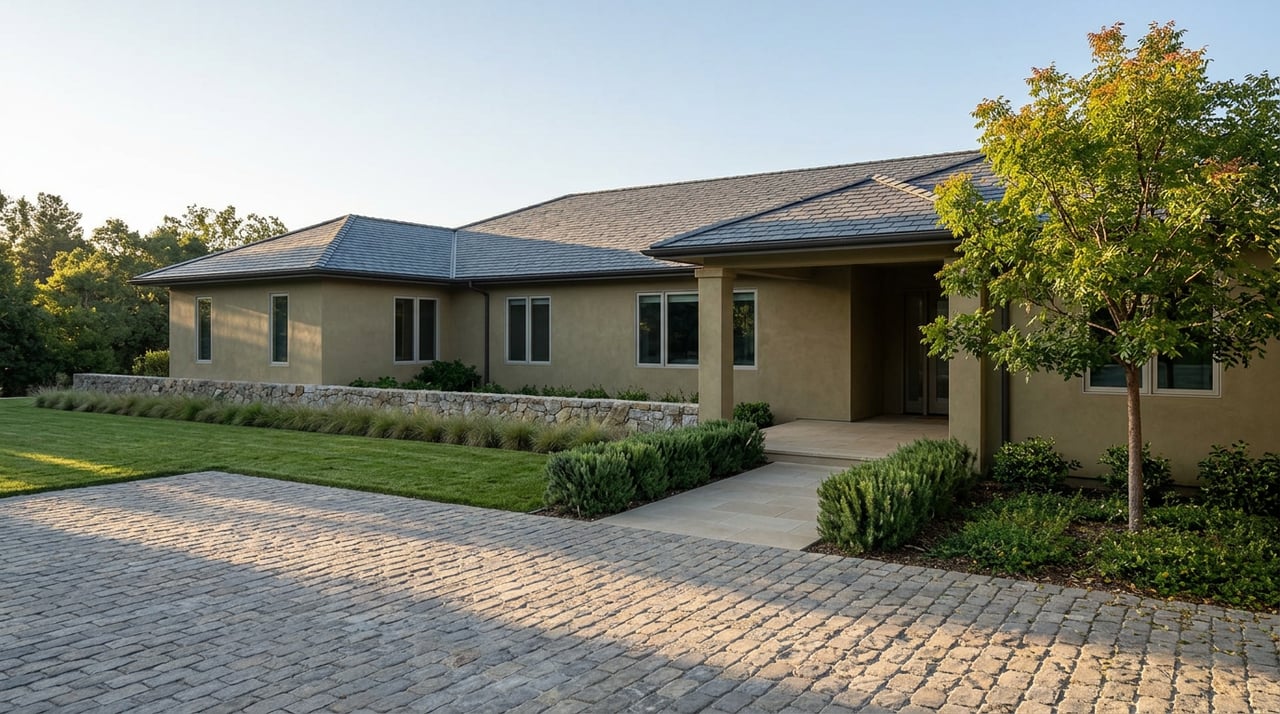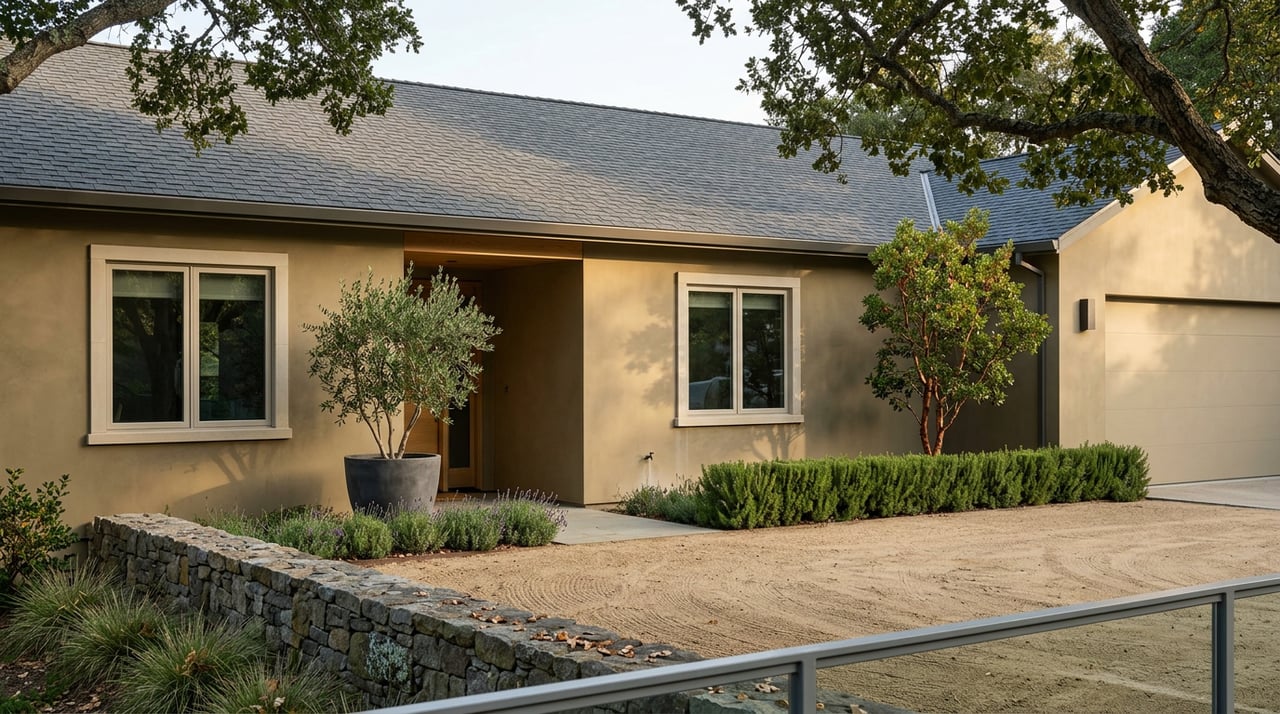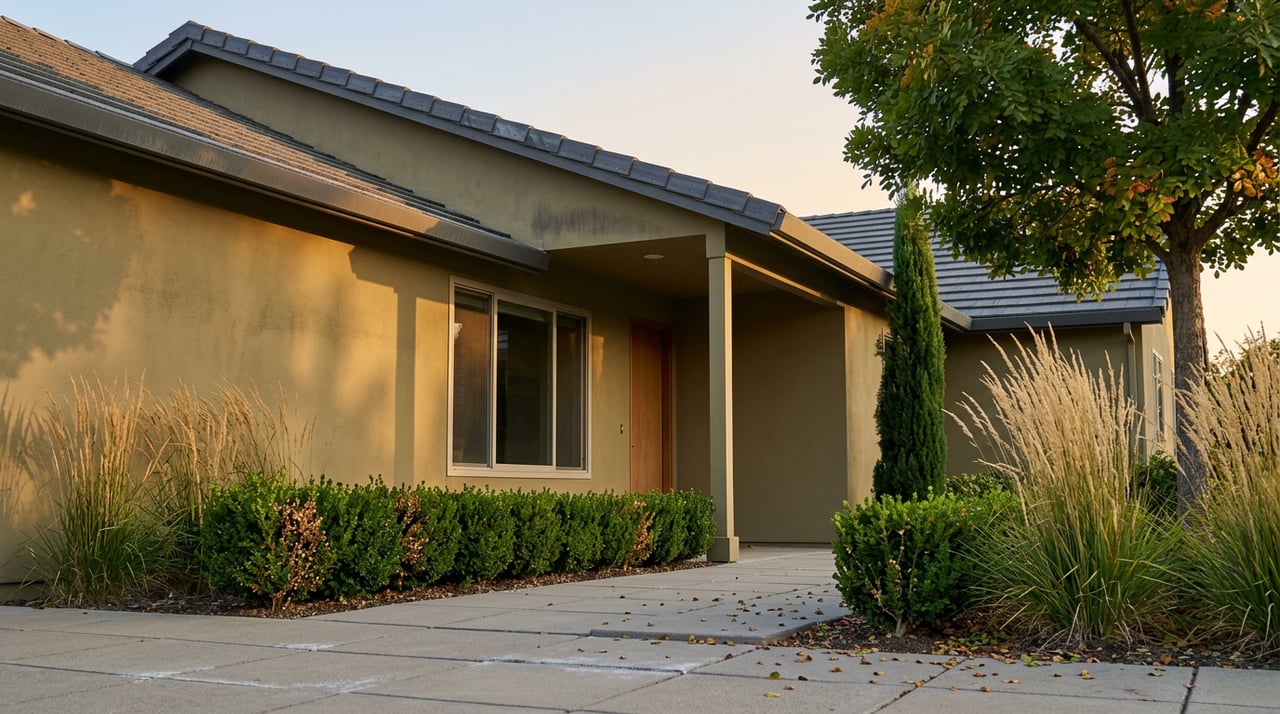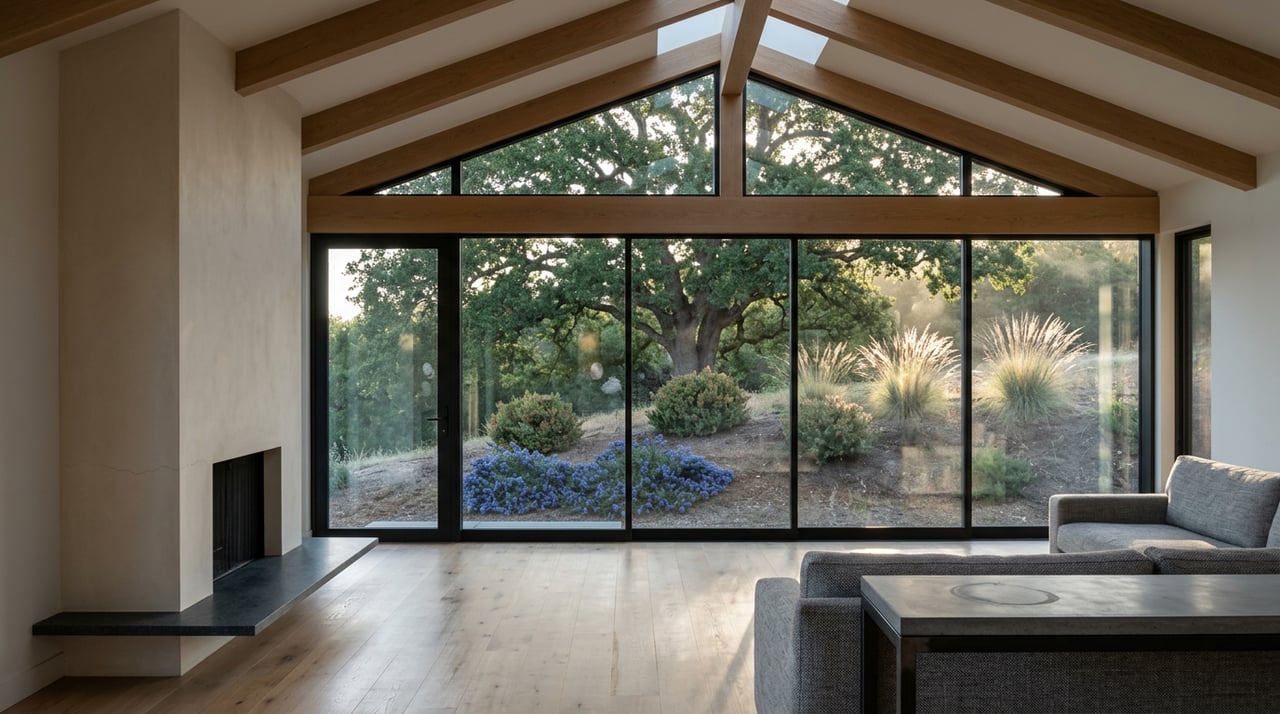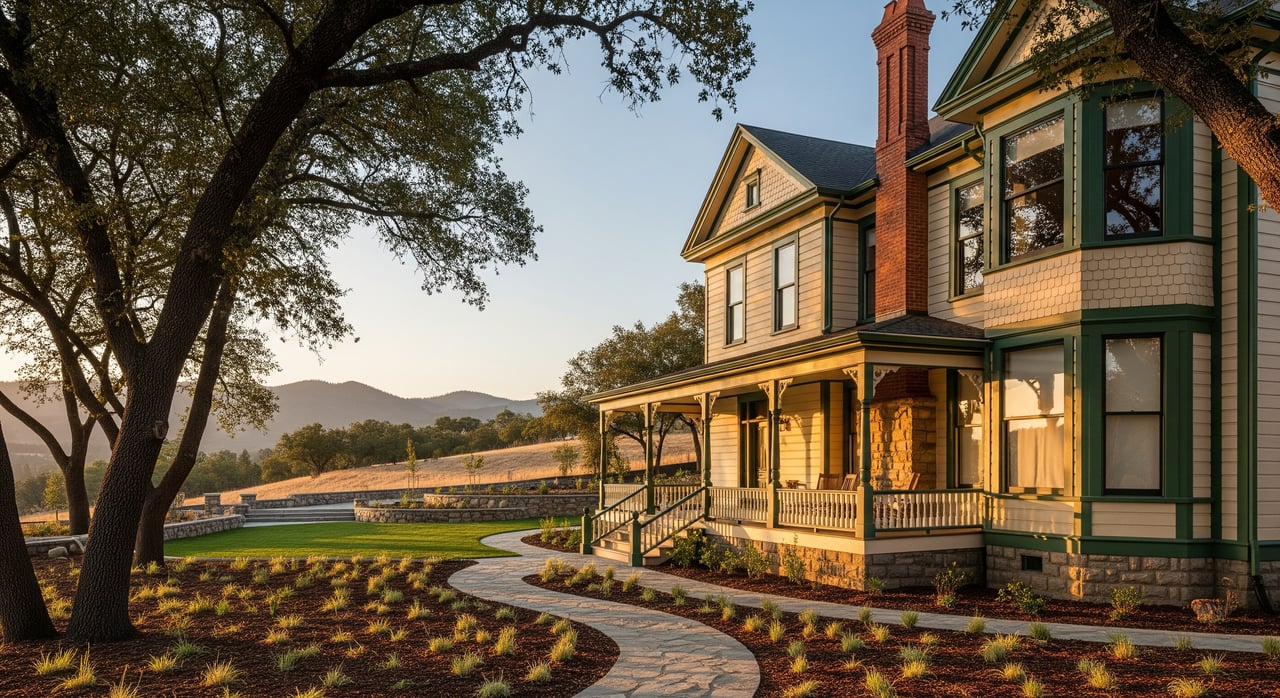
Is your Placerville home worth more than you think? If you have watched signs go up and down in your neighborhood, it is natural to wonder where your property stands today. Pricing here is local, detailed, and shaped by things you can control and things you cannot. In this guide, you will learn how value is determined in Placerville, what affects your price range, and how to prep for a pricing walk-through. Let’s dive in.
How Placerville homes are priced
Pricing starts with a Comparative Market Analysis. A CMA compares your home to a handful of similar recent sales in Placerville. Your agent also looks at active and pending listings to read the direction of the market. The goal is to set a competitive list price that attracts the right buyers without leaving money on the table.
A price-per-square-foot baseline can help, but it is only a starting point. Layout, usable space, condition, and location all require adjustments. A formal appraisal uses similar methods with stricter standards and is often more conservative than a listing CMA. Online estimates are helpful for a quick look, but they cannot see interior condition, permits, or local hazards, so they can be off by thousands.
Recent comps and timing
Strong CMAs in Placerville usually include 3 to 6 recent solds from the last 60 to 120 days. If sales are scarce, the time window can extend, and the analysis will account for market shifts. Your agent will prioritize the same neighborhood first, then extend to nearby micro-markets as needed.
Inventory and demand
Inventory levels, days on market, and the ratio of pending to active listings signal buyer demand. Spring often brings more activity, while higher mortgage rates can cool buying power. Your pricing should reflect how quickly similar homes are moving right now.
Condition and upgrades
Buyers look closely at roofs, foundations, HVAC, and whether upgrades were permitted. Recent kitchen or bath renovations, energy-efficiency improvements, and a documented systems history can lift value. Deferred maintenance, non-permitted work, or major repairs that may be needed can pull value down.
Lot, land, and usability
In and around Placerville, lot size and usability matter. Usable acreage, outdoor living areas, privacy, parking, and views influence price. Topography, drainage, and buildability also come into play.
Micro-location in Placerville
Historic Main Street area
Older homes near Historic Main Street can attract buyers who value period details and walkability. These properties may command a premium for authenticity, while age-related maintenance can be part of the conversation.
Near Highway 50 and commuter routes
Access to Highway 50 supports commuter convenience to Sacramento. Noise and traffic proximity can be value negatives. Your pricing should reflect how your location balances these factors.
Rural parcels and services
On outlying or semi-rural parcels, privacy and usable land are big drivers. Utility type, road maintenance, and any wildfire mitigation work factor into value. For properties with wells or septic systems, documented maintenance is important to buyers and appraisers.
Proximity to services and schools
Being close to grocery stores, healthcare, and local schools can widen your buyer pool. The exact impact depends on overall condition, price point, and competing listings.
Hazards and insurance that influence price
Placerville and parts of El Dorado County include areas mapped for wildfire risk. Buyers often ask about defensible space, ember-resistant features, and insurance costs. Document any mitigation work or fire-hardening upgrades you have completed. If your property is in or near a flood zone or has geologic considerations, clear disclosures and available reports can help buyers understand risk. Insurance availability and premium trends can affect the buyer pool and should be addressed early.
Online estimates vs a custom CMA
Online estimates use broad data. They cannot account for your home’s interior condition, permitted improvements, views, or specific wildfire and insurance factors. Treat them as a starting point. A custom CMA that includes photos, permits, and an on-site review is more accurate and actionable.
Your pricing walk-through checklist
Use this list to make the most of your agent’s visit.
Documents and records
- Recent tax bill and parcel map
- Title or ownership documents, if available
- List of upgrades with dates, contractors, and permits
- Receipts and warranties for roof, HVAC, septic, and well service
- HOA documents if applicable
- Utility bills for the last 12 months
- Insurance declarations page
- Any recent comps or offers you think are relevant
Exterior prep
- Tidy curb appeal: mow, trim, clear address visibility
- Remove dead limbs and document defensible-space work
- Clean gutters and note roof age in your records
- Fix obvious safety issues like handrails or steps
Interior prep
- Neutralize odors and remove clutter so rooms read true to size
- Test major systems and appliances
- Replace burned-out bulbs for consistent lighting
- Make quick fixes like tightening loose hardware or stopping small leaks
What your agent will review
- Square footage and room count, verified against records
- Condition of kitchens, baths, and major systems
- Signs of water intrusion or foundation issues
- Lot usability, drainage, and outdoor living areas
- Septic and well condition with permits and maintenance evidence
- Any non-permitted work or additions
Safety and disclosures
- Transfer Disclosure Statement and natural hazard disclosure
- Any known assessments, septic or well disclosures, and HOA covenants
Expect 30 to 60 minutes for most homes, longer for acreage or multiple structures. Your agent may take photos and request follow-up documents after the visit.
What you get in a free valuation
A helpful valuation should be clear and specific to your home:
- A concise CMA with 3 to 6 sold comps plus active and pending listings
- A suggested price range and recommended list price with rationale
- Days-on-market and an estimated marketing timeline for current conditions
- Adjustments tied to your property, such as credit for a permitted remodel
- Prep recommendations that deliver the best return before listing
- A snapshot of neighborhood trends and any risk considerations
- Clear next steps, from an in-person CMA to staging or going live
Valuations are estimates, and market conditions can shift. A lender’s appraisal is separate and follows its own standards.
Timeline and next steps
Most sellers receive a preliminary estimate quickly and a full CMA within 24 to 72 hours after a walk-through. If you plan to list, you will get a simple action plan that can include staging, professional photography, and a marketing schedule. If major repairs are on the table, you can request contractor estimates to help prioritize.
Ready for your custom valuation?
You deserve a clear, data-backed answer to “What’s my Placerville home worth?” Our team pairs hyperlocal analysis with a concierge listing service that includes staging, professional photography, and in-house marketing across a powerful distribution network. Get Your Free Home Valuation from the Turner DeMarco Group - VIP and receive a custom CMA tailored to your property and timeline.
FAQs
How accurate are online home value estimates in Placerville?
- They are quick guides but often miss local details like interior condition, permitted ADUs, and wildfire or insurance factors. Use them as a starting point only.
What affects Placerville pricing the most right now?
- Recent comparable sales, inventory and demand, property condition, micro-location, and insurance or hazard considerations are key drivers.
Will wildfire risk make my Placerville home hard to sell?
- Usually not. It can narrow the buyer pool and increase costs, but documenting mitigation and upgrades helps reduce buyer concerns.
Should I complete repairs before listing my Placerville home?
- Prioritize safety, major systems, curb appeal, and items that could affect financing or appraisal. Your agent can advise which fixes offer the best return.
How do ADUs impact value in Placerville?
- Permitted ADUs typically add value and attract buyers. Unpermitted units can reduce value or complicate closings, so provide permit documentation.